850-word backpacking article.
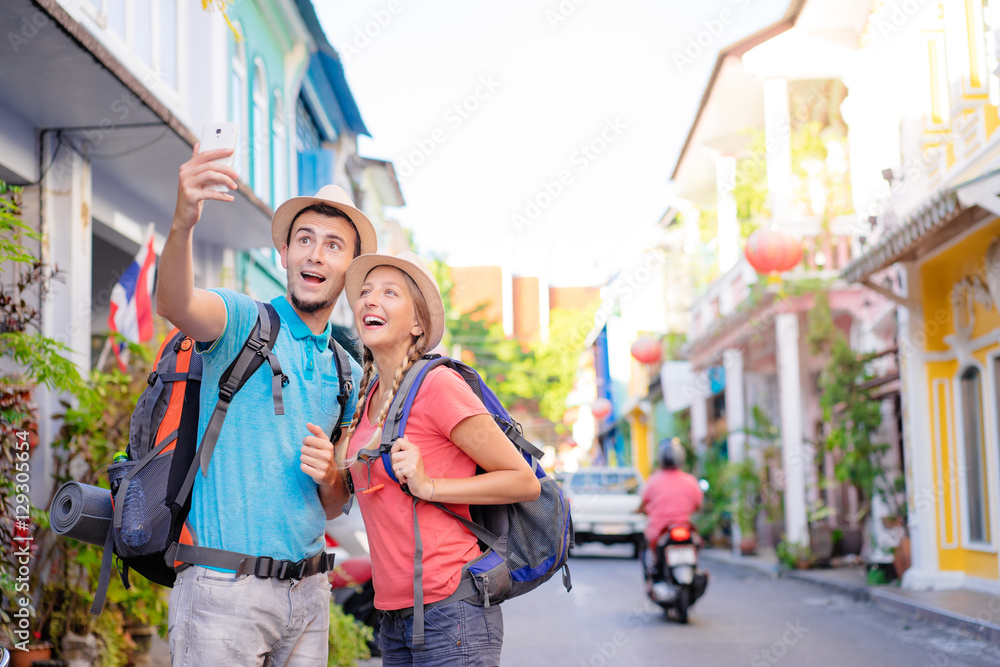
There is a glorious freedom to backpacking. Everything you need on your journey is bundled into your backpack. Traveling from place to place while the issues of the wider world seem insignificant to you and yours. That freedom, the joy that backpacking brings can quickly turn sour if something goes wrong. Despite relatively few backpackers ever succumbing to problems, safety should always be a priority when traveling abroad. No one wants to become one of those who loses their passport or credit card while abroad. So, with that in mind, here are six safety tips for all would be backpackers.
1. Get yourself a debit card through an internet-based bank. Accounts with Revolute, Bnext or N26 are all good options. On the surface, this sounds more like financial advice rather than safety, in reality, it’s both. It’s good to have a debit card through one of these providers because transferring money and taking out cash from cashpoints is way cheaper when abroad. It also means you don’t ever need to take your normal bank card out with you. Leave it at home, transfer money to the new online bank card and your primary bank account need never be at risk. If you are travelling alone, it might be a good idea to bring a back-up card to leave in your hotel.
2. Get a VPN. If you don’t yet know about virtual private networks, then you can’t have watched many YouTube videos or listened to many podcasts over the past few years. It seems like every sponsored “creator” has now done a promotion for VPNs. NordVPN, Surfshark and ExpressVPN have all spent a lot on promotions. Without going into too much techno jargon, VPNs protect you from being hacked when using public Wi-Fi. That includes the Wi-Fi in hotels, hostels, cafes etc. As a bonus, they also allow you to fool Netflix, YouTube and Skyscanner into thinking you’re still at home. Meaning you can watch the same shows, and get the same deals that you had back in your home county.
3. No bum bags! Guys, why would you walk around with a massive arrow pointing to where all your valuables are? They have never been fashionable and they are not safe. Hidden ones that go under your clothes, often called money belts, are much better, though they can be uncomfortable and without a lot of storage space.
3.1. No Handbags. For the same reason, if a would-be thief saw a handbag, they would immediately know where all your valuable stuff is. You only need to leave it unattended for a second, and it could be gone in a flash.
So, if you can’t bag your stuff, then what? Well, pockets. Zipped or buttoned preferably. I know combat trousers with knee-high pockets are arguably as out of fashion as bum bags, but it’s super difficult to pickpocket a knee-high zipped pocket.
4. If you’re in a hotel room, you’ll probably have a safe. If you’re in a hostel you’ll probably have a locker. Use them! Don’t take all your valuables out with you every time you go outside. Take just cash, or your online bank card and some cash. Are there two you? Only one of you need to take your phone. Think about the minimum you need to take out with you at any one time. You probably don’t need two phones, I.D, two debit cards, a camera, and two sets of keys.
5. This fifth one may be a little hard to swallow for some, but at least consider not leaving your accommodation looking like your rich. Just don’t go out wearing expensive trainers, your best watch, and a high-end shirt. It’s true, you won’t look as successful in your holiday snaps, but if you look like you haven’t got a lot to steal on you, chances are you aren’t going to be stolen from.
6. There isn’t anyone who has ever left their backpacks in the luggage area of a coach and not worried about them. It’s human nature. If you are getting out at the 5th stop of a long night-time coach journey, it’s impractical to wake up and glare out the window four times during the night to make sure no one’s running off with your backpack. Truth is, when someone steals from a backpack on a coach, they rarely take the whole, heavy bag. With this in mind, don’t put anything valuable in the easy-to-access side pockets. Books, water bottles, dirty underwear are all undesirable options. The main compartment can often be locked shut. If you have two zips, then lock them together with a small padlock. Small padlocks are also needed in hostels to use on the lockers.
Fearing for the safety of your stuff is no reason to stop yourself going backpacking. More than any of the tips stated above, it’s important to use common sense. Don’t wonder into any dodgy neighbourhoods, always have an eye on your belongings, and don’t go anywhere with bucket loads of cash. Backpacking is not as unsafe as people make it out to be.
 Jake Garrett